

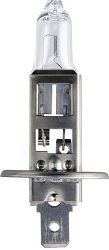
Car Lamps

Car Headlight Bulbs – Your Specialist for Automotive Lighting: At Leuchtmittel Verkauf you can order car headlight bulbs of various types from the renowned manufacturer Philips. Whether you need replacement bulbs for dipped beam, main beam or daytime running lights – our range covers all common socket types including H7, H4, H1 and H11. With over 20 years of experience in professional lighting technology, we offer high-quality branded products that meet strict safety and performance standards. Discover...
Read more »
Car Lamps
Close window
Car Lamps

Car Headlight Bulbs – Your Specialist for Automotive Lighting

At Leuchtmittel Verkauf you can order car headlight bulbs of various types from the renowned manufacturer Philips. Whether you need replacement bulbs for dipped beam, main beam or daytime running lights – our range covers all common socket types including H7, H4, H1 and H11. With over 20 years of experience in professional lighting technology, we offer high-quality branded products that meet strict safety and performance standards. Discover halogen, LED and xenon bulbs that deliver reliable brightness and long service life for safe night driving.

What Are Car Headlight Bulbs and How Do They Work?

Car headlight bulbs are specialised lamps designed to illuminate the road ahead during night driving and poor visibility conditions. They are installed in the vehicle's main headlight units and provide both dipped beam (low beam) and main beam (high beam) functions, depending on the bulb type and socket configuration.

The most common technologies are halogen bulbs, which use a tungsten filament enclosed in a halogen gas-filled envelope, LED bulbs, which employ semiconductor light-emitting diodes for energy-efficient illumination, and xenon bulbs (also called HID – high-intensity discharge), which generate light through an electric arc between two electrodes in a xenon gas chamber.

Socket types vary by vehicle make and model. The H7 socket (PX26d base) is widely used in modern cars and typically houses a single-filament bulb for either dipped or main beam. The H4 socket (P43t base) features a dual-filament design, allowing one bulb to serve both dipped and main beam functions – a common configuration in vehicles from the mid-2000s onwards. Other popular sockets include H1 (often used for main beam or fog lights), H11 (frequently found in newer models for dipped beam and fog lights), and H15 (combining dipped beam and daytime running light in a single bulb).

Car headlight bulbs operate at 12 volts in standard passenger vehicles (24 volts in commercial trucks). Typical wattages range from 55W for H7 dipped beam bulbs to 60W for H4 main beam filaments. Modern LED alternatives consume significantly less power – often 15–25W – while delivering comparable or superior light output measured in lumens. Understanding these technical fundamentals helps you select the correct replacement bulb and ensures compliance with road safety regulations, including MOT test requirements in the UK and Ireland.

Applications and Use Cases for Car Headlight Bulbs

Car headlight bulbs are essential for safe driving in all conditions where natural light is insufficient. Night driving is the primary application: dipped beam bulbs illuminate the road surface up to 50–70 metres ahead without dazzling oncoming traffic, while main beam bulbs extend visibility to 100–150 metres on unlit roads and motorways.

Daytime running lights (DRL) have become mandatory in many regions, including the EU and UK. These low-intensity lights – often integrated into H15 bulbs or provided by separate LED units – increase vehicle visibility during daylight hours, reducing the risk of head-on and side-impact collisions. Modern vehicles may use dedicated DRL bulbs or activate the dipped beam at reduced power.

Adverse weather conditions such as fog, heavy rain and snow demand reliable headlight performance. While fog lights (typically H8 or H11 bulbs) provide additional low-level illumination, your main headlight bulbs remain the primary light source. Halogen bulbs with enhanced brightness – such as Philips Night Breaker or Vision Plus ranges – offer up to 150% more light on the road compared to standard bulbs, significantly improving visibility in challenging conditions.

Commercial and fleet applications benefit from long-life bulbs that reduce maintenance intervals. Delivery vans, taxis and company cars accumulate high mileage and frequent on-off cycles, making durability a key selection criterion. Ultra-life halogen bulbs can last up to three times longer than standard equivalents, lowering total cost of ownership.

If you're upgrading your vehicle's lighting system, you might also be interested in our LED lamps for interior and auxiliary lighting, or explore our special lamps category for additional automotive lighting solutions.

Quality Standards and Buying Criteria for Car Headlight Bulbs

Selecting the right car headlight bulb involves balancing performance, longevity and legal compliance. Brightness is measured in lumens: a standard H7 halogen bulb produces approximately 1,500 lumens, while premium "plus" variants can reach 2,000–2,500 lumens. LED retrofit bulbs often claim 3,000+ lumens, but actual road illumination depends on beam pattern and colour temperature as much as raw output.

Colour temperature, measured in Kelvin (K), affects both visibility and aesthetics. Standard halogen bulbs emit warm white light at 3,200K, closely resembling traditional incandescent lamps. "Cool white" or "xenon-look" halogen bulbs operate at 4,000–5,000K, producing a whiter, more modern appearance that some drivers find easier on the eyes during long journeys. Genuine xenon HID bulbs range from 4,300K (neutral white) to 6,000K (cool white with a slight blue tint). Avoid bulbs rated above 6,500K, as excessively blue light reduces contrast and is often illegal for road use.

Lifespan varies significantly by technology. Standard halogen bulbs last 300–500 hours, equivalent to roughly 20,000–30,000 km of typical driving. Long-life variants extend this to 1,000+ hours. LED bulbs can theoretically last 10,000–20,000 hours, though heat management and driver electronics often limit real-world longevity in automotive applications. Xenon bulbs typically deliver 2,000–3,000 hours of service.

Reputable manufacturers include Philips, whose RacingVision GT200 and X-treme Vision Pro150 ranges offer up to 200% increased brightness; Osram, known for Night Breaker Laser and Ultra Life series; and Ledvance, which produces reliable OEM-quality replacements. At Leuchtmittel Verkauf we stock genuine Philips automotive bulbs, ensuring you receive high-quality branded products with full manufacturer warranties.

Legal compliance is non-negotiable. In the UK and Ireland, replacement bulbs must carry ECE approval (E-mark) and match the original equipment specification unless the entire headlight unit is replaced with a type-approved LED or HID conversion kit. Bulbs that are too bright, incorrectly coloured or poorly focused will fail the MOT test and may result in fines or insurance invalidation. Always verify that your chosen bulb meets road traffic regulations in your jurisdiction.

Price guidance: standard H7 halogen bulbs start at €2–4 per unit, premium performance halogen bulbs range from €10–15 per bulb, and genuine xenon HID bulbs cost €30–60 each. LED retrofit bulbs vary widely from €20–80 per pair, but not all are road-legal – check certification carefully before purchasing.

Socket Types and Compatibility: H4, H7, H1, H11 Explained

Understanding socket types is essential for selecting the correct replacement bulb. Each socket has a unique base design, pin configuration and locking mechanism that ensures proper electrical contact and mechanical retention in the headlight housing.

H7 Socket (PX26d Base)

The H7 is the most common single-filament socket in modern European vehicles. It uses a PX26d base with two flat contact tabs and a central locating pin. H7 bulbs typically produce 55W and 1,500 lumens, serving either dipped beam or main beam depending on the headlight design. Popular in vehicles from manufacturers including Volkswagen, Audi, BMW, Mercedes-Benz, Ford and Renault, the H7 socket is found in models from the late 1990s onwards. When replacing H7 bulbs, ensure you purchase the correct variant – standard, long-life or performance-enhanced – based on your driving needs.

H4 Socket (P43t Base)

The H4 socket features a dual-filament design with a P43t base, allowing one bulb to provide both dipped beam (55W) and main beam (60W) functions. This configuration is common in older vehicles and some budget models where separate bulbs for each beam would increase manufacturing costs. The H4 base has three electrical contacts and a mechanical locating tab to prevent incorrect installation. While H4 bulbs are gradually being replaced by H7 in newer vehicles, they remain widely used in cars from the 1980s through to the mid-2010s, particularly in models from Japanese manufacturers such as Toyota, Honda and Nissan.

H1 Socket (P14.5s Base)

The H1 socket uses a P14.5s base with a single contact at the rear and a cylindrical glass envelope. H1 bulbs are typically rated at 55W and are most commonly used for main beam in vehicles with separate H7 dipped beam units. They are also found in some fog light applications. The H1's compact design makes it suitable for tight headlight housings, though its exposed filament position requires careful handling during installation to avoid fingerprint contamination, which can cause premature failure.

H11 Socket (PGJ19-2 Base)

The H11 socket (PGJ19-2 base) is increasingly popular in modern vehicles for dipped beam and fog light applications. H11 bulbs produce 55W and approximately 1,350 lumens, with a more compact design than H7. The socket features an L-shaped base with a locking tab that ensures correct orientation. H11 is common in vehicles from the 2010s onwards, including models from Ford, Hyundai, Kia and Mazda. Its smaller size allows designers to create more aerodynamic headlight units while maintaining excellent beam pattern control.

Other Common Sockets

H15 bulbs combine dipped beam (55W) and daytime running light (15W) functions in a single unit with a PGJ23t-1 base, found in many Volkswagen Group vehicles. HB3 (9005) and HB4 (9006) sockets are prevalent in American and some Asian vehicles, using P20d bases with different pin configurations. D1S, D2S, D3S and D4S sockets are used exclusively for xenon HID bulbs, with the "S" designation indicating a built-in igniter (as opposed to "R" variants for reflector housings).

To identify the correct socket for your vehicle, consult your owner's manual, check the existing bulb's base marking, or use an online bulb finder tool. At Leuchtmittel Verkauf we offer Philips bulbs across all major socket types, ensuring you find the perfect match for your car's headlight system.

Lumens, Kelvin and Wattage: Technical Specifications Decoded

Understanding the technical specifications of car headlight bulbs helps you make informed purchasing decisions and optimise your vehicle's lighting performance.

Lumens: Measuring Actual Light Output

While wattage indicates power consumption, lumens measure the actual visible light emitted by a bulb. A standard 55W H7 halogen bulb produces approximately 1,500 lumens. Premium performance halogen bulbs – such as Philips RacingVision GT200 – can deliver up to 2,500 lumens through optimised filament design and gas mixtures, representing a 150–200% increase in on-road illumination compared to basic bulbs.

LED retrofit bulbs often claim 3,000–4,000 lumens, but these figures can be misleading. Total lumen output matters less than the beam pattern and light distribution. A poorly designed LED bulb may scatter light inefficiently, causing glare for oncoming drivers while failing to illuminate the road surface adequately. Always choose LED bulbs with ECE approval and beam pattern certification to ensure legal compliance and effective illumination.

For comparison, xenon HID bulbs typically produce 3,000–3,500 lumens from a 35W input, making them significantly more efficient than halogen technology. However, xenon systems require compatible ballasts and headlight housings, so retrofitting is complex and often not road-legal without complete headlight unit replacement.

Kelvin: Understanding Colour Temperature

Colour temperature describes the hue of the light, measured in Kelvin (K). Lower values produce warmer, more yellow light, while higher values shift towards cooler, bluer tones.

  • 3,200K (Warm White): Standard halogen bulbs emit light at this temperature, closely resembling traditional incandescent lamps. This warm tone provides excellent contrast in fog and rain, as yellow light penetrates moisture more effectively than blue light.

  • 4,000–4,500K (Neutral White): Premium halogen bulbs such as Philips WhiteVision and Osram Cool Blue Intense operate in this range, offering a crisper, more modern appearance while maintaining good all-weather performance.

  • 5,000–6,000K (Cool White): Xenon HID bulbs and some LED bulbs emit light in this range, producing a bright white or slightly blue-tinted beam. While aesthetically appealing, excessively cool light can reduce contrast in adverse weather and may cause eye strain during extended night driving.

  • 6,500K+ (Blue-White): Bulbs rated above 6,500K are typically marketed as "super white" or "xenon effect" but are often illegal for road use in the UK and EU. They produce poor visibility in rain and fog and are likely to fail MOT inspection.

For optimal safety and legal compliance, choose bulbs in the 3,200–5,000K range. If you frequently drive in fog or heavy rain, warmer temperatures (3,200–4,000K) provide better visibility.

Wattage and Energy Efficiency

Wattage indicates electrical power consumption. Standard automotive headlight bulbs operate at:

  • H7 dipped beam: 55W
  • H4 dipped beam: 55W; main beam: 60W
  • H1 main beam: 55W
  • H11 dipped beam: 55W

Higher wattage does not automatically mean better performance. A 100W halogen bulb may produce more lumens than a 55W equivalent, but it also generates excessive heat that can damage headlight housings and wiring, and is illegal for road use in most jurisdictions.

LED bulbs offer significant energy savings, typically consuming 15–25W while delivering comparable or superior light output. This reduced power draw eases the load on your vehicle's electrical system and can improve fuel economy marginally in vehicles with conventional alternators. However, some older vehicles with CANbus systems may require additional resistors or decoders to prevent error messages when LED bulbs are installed.

Xenon HID bulbs consume 35W and produce more lumens per watt than any halogen technology, but require high-voltage ballasts that add complexity and cost. For most drivers, premium halogen bulbs or ECE-approved LED retrofits offer the best balance of performance, efficiency and ease of installation.

Leuchtmittel Verkauf – Your Specialist for Automotive Lighting

At Leuchtmittel Verkauf we have been your trusted partner for professional lighting solutions for over 20 years. Our expertise extends from residential and commercial lighting to specialised automotive lamps, ensuring you receive the same high standards of quality and service across all product categories.

When you order car headlight bulbs from us, you benefit from genuine Philips branded products sourced directly from authorised distributors. We stock the complete range of Philips automotive lamps, including standard replacement bulbs, long-life variants and performance-enhanced options such as RacingVision GT200 and X-treme Vision Pro150. Every bulb carries full ECE approval and meets stringent European safety standards, giving you peace of mind that your purchase is road-legal and insurance-compliant.

Our 3-year guarantee covers all car headlight bulbs against manufacturing defects, providing protection that extends well beyond typical statutory warranties. Should you experience any issues with your purchase, our customer service team is ready to assist with fast replacements or refunds.

Free shipping from €69 makes it economical to stock up on spare bulbs or combine your headlight bulb order with other lighting products. We dispatch orders from our warehouse in Bocholt, Germany, ensuring fast delivery across the UK, Ireland and international destinations. Most orders are processed within 1–2 business days, and we use reliable carriers to guarantee safe arrival.

Beyond automotive lighting, explore our extensive range of LED lamps for home and commercial use, or browse our special lamps category for UV, infrared and decorative lighting solutions. For professional retail and hospitality projects, our lights section offers complete luminaires and track systems to create stunning lighting installations.

Whether you need a single replacement H7 bulb for your daily commute or a bulk order of long-life H4 bulbs for a commercial fleet, Leuchtmittel Verkauf delivers the quality, service and value you deserve. Order today and experience the difference that over two decades of lighting expertise makes.

FAQ – Questions & Answers

How do I find out which bulb my car needs?

To identify the correct car headlight bulb for your vehicle, consult your owner's manual, which lists the bulb types for all lighting positions including dipped beam, main beam and fog lights. Alternatively, remove the existing bulb and check the base marking – common types include H7, H4, H1 and H11, each with a distinct socket design. Many online retailers and manufacturer websites offer bulb finder tools where you enter your vehicle's make, model and year to receive a complete list of compatible bulbs. If you're unsure, contact our customer service team with your vehicle details and we'll help you identify the correct specification.

When to use H4 and when H7?

H4 and H7 bulbs are not interchangeable – your vehicle's headlight housing determines which socket type you must use. H4 bulbs feature a dual-filament design with a P43t base, providing both dipped beam (55W) and main beam (60W) functions in a single unit. This configuration is common in older vehicles and some budget models. H7 bulbs use a PX26d base with a single filament (55W) and serve either dipped beam or main beam depending on the headlight design. Modern European vehicles typically use separate H7 bulbs for dipped and main beam, allowing optimised beam patterns for each function. Check your owner's manual or existing bulb markings to determine which type your car requires.

What does it cost to replace a headlight bulb?

The cost to replace a car headlight bulb varies by bulb type and whether you perform the work yourself or use a professional service. Standard H7 halogen bulbs cost €2–4 per unit, while premium performance variants such as Philips Night Breaker or RacingVision range from €10–15 per bulb. Xenon HID bulbs are more expensive at €30–60 each, and ECE-approved LED retrofit bulbs typically cost €20–80 per pair. If you replace the bulb yourself, the only cost is the bulb itself. Professional fitting at a garage or dealership adds €15–40 labour depending on vehicle accessibility – some modern cars require bumper or headlight removal to access the bulb, increasing labour time and cost.

What's the difference between halogen and LED bulbs?

Halogen and LED car headlight bulbs differ fundamentally in technology, performance and cost. Halogen bulbs use a tungsten filament heated to incandescence inside a halogen gas-filled envelope, producing warm white light at 3,200K and consuming 55W to generate approximately 1,500 lumens. They are inexpensive (€2–15 per bulb), universally compatible and easy to replace, but have shorter lifespans (300–1,000 hours) and lower energy efficiency. LED bulbs employ semiconductor diodes to produce light, typically consuming 15–25W while delivering 2,000–4,000 lumens at cooler colour temperatures (4,000–6,000K). LEDs last significantly longer (10,000+ hours in theory) and generate less heat, but cost more (€20–80 per pair) and may require additional electronics or modifications to work correctly in older vehicles. Crucially, not all LED retrofit bulbs are road-legal – always verify ECE approval before purchasing.

Are brighter headlight bulbs legal in the UK?

Brighter headlight bulbs are legal in the UK provided they meet specific criteria. Replacement bulbs must carry ECE approval (E-mark certification) and must not exceed the wattage specified by the vehicle manufacturer – typically 55W for dipped beam and 60W for main beam. Premium halogen bulbs such as Philips RacingVision GT200 or Osram Night Breaker Laser, which claim up to 200% more light on the road, achieve this through optimised filament design and gas mixtures while remaining within legal wattage limits, making them fully road-legal. LED and xenon retrofit bulbs are only legal if the entire headlight unit is replaced with a type-approved assembly; simply inserting LED or HID bulbs into halogen housings typically fails to produce a correct beam pattern and will fail MOT inspection. Always choose bulbs with ECE certification and verify compatibility with your vehicle's lighting system.

How long do car headlight bulbs last?

Car headlight bulb lifespan varies significantly by technology and usage patterns. Standard halogen bulbs last 300–500 operating hours, equivalent to approximately 20,000–30,000 kilometres of typical driving with mixed day and night use. Long-life halogen variants such as Philips LongLife EcoVision or Osram Ultra Life extend this to 1,000–1,500 hours, making them ideal for high-mileage drivers and commercial fleets. LED bulbs theoretically last 10,000–20,000 hours, though real-world automotive applications often see shorter lifespans due to heat stress and vibration. Xenon HID bulbs typically deliver 2,000–3,000 hours of service. Frequent on-off cycles, voltage fluctuations and poor-quality electrical systems can reduce bulb life, so maintaining your vehicle's charging system and using quality branded bulbs helps maximise longevity.

Can I replace just one headlight bulb or should I replace both?

While you can legally replace just one failed car headlight bulb, it is strongly recommended to replace both bulbs simultaneously. Headlight bulbs age together, and if one has failed, the other is likely near the end of its service life and will fail soon. Replacing both ensures balanced light output and colour temperature on both sides of the vehicle, which improves visibility and prevents the uneven appearance that occurs when one side is noticeably brighter or whiter than the other. Additionally, replacing both bulbs at once saves labour costs if you're using a professional service, as the mechanic only needs to access the headlight assemblies once. For safety and convenience, always replace headlight bulbs in pairs.

Do I need to adjust my headlights after changing the bulb?

In most cases you do not need to adjust your headlights after changing a car headlight bulb, provided you install the replacement bulb correctly in the same socket and housing. Halogen bulbs are designed to locate the filament in precisely the same position as the original, ensuring the beam pattern remains unchanged. However, if you notice that your headlights are pointing too high (dazzling oncoming traffic) or too low (illuminating only the road immediately ahead) after bulb replacement, the headlight aim should be checked and adjusted. This is particularly important if you've switched to a different bulb technology such as LED or xenon, or if the headlight housing was removed during bulb replacement. Professional headlight alignment typically costs €15–30 and ensures your lights meet MOT requirements and provide optimal road illumination without causing glare.

Top seller
Philips Autolampe H4 Vision Plus B1 60/55W 12V P43t-38 12342VPB1
Philips H4 Vision Plus B1 60/55W 12V P43t-38 12342VPB1
€6.42 *
Scale prices: from €6.10
incl. tax, plus shipping costs
Availability:
Delivery time: 1-3 days
Philips Autolampe H7 Vision Plus B1 55W 12V PX26d 12972VPB1
Philips H7 Vision Plus B1 55W 12V PX26d 12972VPB1
€10.50 *
Scale prices: from €9.96
incl. tax, plus shipping costs
Availability:
Not in stock
Delivery time: approx. 2 weeks
Philips Autolampe H3 Vision C1 55W 12V PK22s 12336PRC1
Philips H3 Vision C1 55W 12V PK22s 12336PRC1
€2.60 *
Scale prices: from €2.13
incl. tax, plus shipping costs
Availability:
Currently not available
Philips Autolampe H1 X-treme Vision B1 55W 12V P14,5s 12258XVB1
Philips H1 X-treme Vision B1 55W 12V P14,5s 12258XVB1
€10.90 *
Scale prices: from €10.35
incl. tax, plus shipping costs
Availability:
Low stock; Delivery time: 1-3 days
Delivery time: 1-3 days
Philips Autolampe HB3 Vision C1 65W 12V P20d 9005PRC1
Philips HB3 Vision C1 65W 12V P20d 9005PRC1
€6.40 *
Scale prices: from €4.92
incl. tax, plus shipping costs
Availability:
Currently not available
6 Articles
Close filters
 
  •  
  •  
  •  
  •  
  •  
  •  
from to
  •  
 
  •  
from to
No results were found for the filter!
Philips Autolampe H3 Vision C1 55W 12V PK22s 12336PRC1
Philips H3 Vision C1 55W 12V PK22s 12336PRC1
Item name: 12336PRC1 Voltage: 12V Power: 55W Socket: PK22s Unit: 1 piece With 30% more light, the Premium lamp is the entry-level model of the Philips range. The quality level of the Premium lamps...
€2.60 *
Scale prices: from €2.13
incl. tax, plus shipping costs
Availability:
Currently not available
Philips Autolampe HB4 Vision C1 55W 12V P22d 9006PRC1
Philips HB4 Vision C1 55W 12V P22d 9006PRC1
Item description: 9006PRC1 Voltage: 12V Power: 65W Socket: P22d Unit: 1 piece With 30% more light, the Premium lamp is the entry-level model of the Philips range. The quality level of the Premium...
€6.94 *
Scale prices: from €6.60
incl. tax, plus shipping costs
Availability:
Delivery time: 1-3 days
Philips Autolampe H1 X-treme Vision B1 55W 12V P14,5s 12258XVB1
Philips H1 X-treme Vision B1 55W 12V P14,5s 12258XVB1
Item name: 12258XVB1 Voltage: 12V Power: 55W Socket: P14.5s Unit: 1 piece X-tremeVision (up to) 100% more light Maximum performance & maximum visibility - Up to 100% more light on the road* -...
€10.90 *
Scale prices: from €10.35
incl. tax, plus shipping costs
Availability:
Low stock; Delivery time: 1-3 days
Delivery time: 1-3 days
Philips Autolampe H4 Vision Plus B1 60/55W 12V P43t-38 12342VPB1
Philips H4 Vision Plus B1 60/55W 12V P43t-38 12342VPB1
Item name: 12342VPB1 Voltage: 12V Power: 60/55W Socket: P43t-38 Unit: 1 piece Light color: brighter yellow Luminous flux: 404 lm VisionPlus 60 VisionPlus goes even one step further for more light....
€6.42 *
Scale prices: from €6.10
incl. tax, plus shipping costs
Availability:
Delivery time: 1-3 days
Philips Autolampe H7 Vision Plus B1 55W 12V PX26d 12972VPB1
Philips H7 Vision Plus B1 55W 12V PX26d 12972VPB1
Item description: 12972VPB1 Voltage: 12V Power: 55W Socket: PX26d Unit: 1 piece Light color: brighter yellow Luminous flux: 404 lm VisionPlus 60 VisionPlus goes even one step further for more...
€10.50 *
Scale prices: from €9.96
incl. tax, plus shipping costs
Availability:
Not in stock
Delivery time: approx. 2 weeks
Philips Autolampe HB3 Vision C1 65W 12V P20d 9005PRC1
Philips HB3 Vision C1 65W 12V P20d 9005PRC1
Item name: 9005PRC1 Voltage: 12V Power: 65W Socket: P20d Unit: 1 piece With 30% more light, the Premium lamp is the entry-level model of the Philips range. The quality level of the Premium lamps...
€6.40 *
Scale prices: from €4.92
incl. tax, plus shipping costs
Availability:
Currently not available
Info
Car Headlight Bulbs – Your Specialist for Automotive Lighting: At Leuchtmittel Verkauf you can order car headlight bulbs of various types from the renowned manufacturer Philips. Whether you need replacement bulbs for dipped beam, main beam or daytime running lights – our range covers all common socket types including H7, H4, H1 and H11. With over 20 years of experience in professional lighting technology, we offer high-quality branded... Read more »
Viewed
Viewed
Info

Car Headlight Bulbs – Your Specialist for Automotive Lighting

At Leuchtmittel Verkauf you can order car headlight bulbs of various types from the renowned manufacturer Philips. Whether you need replacement bulbs for dipped beam, main beam or daytime running lights – our range covers all common socket types including H7, H4, H1 and H11. With over 20 years of experience in professional lighting technology, we offer high-quality branded products that meet strict safety and performance standards. Discover halogen, LED and xenon bulbs that deliver reliable brightness and long service life for safe night driving.

What Are Car Headlight Bulbs and How Do They Work?

Car headlight bulbs are specialised lamps designed to illuminate the road ahead during night driving and poor visibility conditions. They are installed in the vehicle's main headlight units and provide both dipped beam (low beam) and main beam (high beam) functions, depending on the bulb type and socket configuration.

The most common technologies are halogen bulbs, which use a tungsten filament enclosed in a halogen gas-filled envelope, LED bulbs, which employ semiconductor light-emitting diodes for energy-efficient illumination, and xenon bulbs (also called HID – high-intensity discharge), which generate light through an electric arc between two electrodes in a xenon gas chamber.

Socket types vary by vehicle make and model. The H7 socket (PX26d base) is widely used in modern cars and typically houses a single-filament bulb for either dipped or main beam. The H4 socket (P43t base) features a dual-filament design, allowing one bulb to serve both dipped and main beam functions – a common configuration in vehicles from the mid-2000s onwards. Other popular sockets include H1 (often used for main beam or fog lights), H11 (frequently found in newer models for dipped beam and fog lights), and H15 (combining dipped beam and daytime running light in a single bulb).

Car headlight bulbs operate at 12 volts in standard passenger vehicles (24 volts in commercial trucks). Typical wattages range from 55W for H7 dipped beam bulbs to 60W for H4 main beam filaments. Modern LED alternatives consume significantly less power – often 15–25W – while delivering comparable or superior light output measured in lumens. Understanding these technical fundamentals helps you select the correct replacement bulb and ensures compliance with road safety regulations, including MOT test requirements in the UK and Ireland.

Applications and Use Cases for Car Headlight Bulbs

Car headlight bulbs are essential for safe driving in all conditions where natural light is insufficient. Night driving is the primary application: dipped beam bulbs illuminate the road surface up to 50–70 metres ahead without dazzling oncoming traffic, while main beam bulbs extend visibility to 100–150 metres on unlit roads and motorways.

Daytime running lights (DRL) have become mandatory in many regions, including the EU and UK. These low-intensity lights – often integrated into H15 bulbs or provided by separate LED units – increase vehicle visibility during daylight hours, reducing the risk of head-on and side-impact collisions. Modern vehicles may use dedicated DRL bulbs or activate the dipped beam at reduced power.

Adverse weather conditions such as fog, heavy rain and snow demand reliable headlight performance. While fog lights (typically H8 or H11 bulbs) provide additional low-level illumination, your main headlight bulbs remain the primary light source. Halogen bulbs with enhanced brightness – such as Philips Night Breaker or Vision Plus ranges – offer up to 150% more light on the road compared to standard bulbs, significantly improving visibility in challenging conditions.

Commercial and fleet applications benefit from long-life bulbs that reduce maintenance intervals. Delivery vans, taxis and company cars accumulate high mileage and frequent on-off cycles, making durability a key selection criterion. Ultra-life halogen bulbs can last up to three times longer than standard equivalents, lowering total cost of ownership.

If you're upgrading your vehicle's lighting system, you might also be interested in our LED lamps for interior and auxiliary lighting, or explore our special lamps category for additional automotive lighting solutions.

Quality Standards and Buying Criteria for Car Headlight Bulbs

Selecting the right car headlight bulb involves balancing performance, longevity and legal compliance. Brightness is measured in lumens: a standard H7 halogen bulb produces approximately 1,500 lumens, while premium "plus" variants can reach 2,000–2,500 lumens. LED retrofit bulbs often claim 3,000+ lumens, but actual road illumination depends on beam pattern and colour temperature as much as raw output.

Colour temperature, measured in Kelvin (K), affects both visibility and aesthetics. Standard halogen bulbs emit warm white light at 3,200K, closely resembling traditional incandescent lamps. "Cool white" or "xenon-look" halogen bulbs operate at 4,000–5,000K, producing a whiter, more modern appearance that some drivers find easier on the eyes during long journeys. Genuine xenon HID bulbs range from 4,300K (neutral white) to 6,000K (cool white with a slight blue tint). Avoid bulbs rated above 6,500K, as excessively blue light reduces contrast and is often illegal for road use.

Lifespan varies significantly by technology. Standard halogen bulbs last 300–500 hours, equivalent to roughly 20,000–30,000 km of typical driving. Long-life variants extend this to 1,000+ hours. LED bulbs can theoretically last 10,000–20,000 hours, though heat management and driver electronics often limit real-world longevity in automotive applications. Xenon bulbs typically deliver 2,000–3,000 hours of service.

Reputable manufacturers include Philips, whose RacingVision GT200 and X-treme Vision Pro150 ranges offer up to 200% increased brightness; Osram, known for Night Breaker Laser and Ultra Life series; and Ledvance, which produces reliable OEM-quality replacements. At Leuchtmittel Verkauf we stock genuine Philips automotive bulbs, ensuring you receive high-quality branded products with full manufacturer warranties.

Legal compliance is non-negotiable. In the UK and Ireland, replacement bulbs must carry ECE approval (E-mark) and match the original equipment specification unless the entire headlight unit is replaced with a type-approved LED or HID conversion kit. Bulbs that are too bright, incorrectly coloured or poorly focused will fail the MOT test and may result in fines or insurance invalidation. Always verify that your chosen bulb meets road traffic regulations in your jurisdiction.

Price guidance: standard H7 halogen bulbs start at €2–4 per unit, premium performance halogen bulbs range from €10–15 per bulb, and genuine xenon HID bulbs cost €30–60 each. LED retrofit bulbs vary widely from €20–80 per pair, but not all are road-legal – check certification carefully before purchasing.

Socket Types and Compatibility: H4, H7, H1, H11 Explained

Understanding socket types is essential for selecting the correct replacement bulb. Each socket has a unique base design, pin configuration and locking mechanism that ensures proper electrical contact and mechanical retention in the headlight housing.

H7 Socket (PX26d Base)

The H7 is the most common single-filament socket in modern European vehicles. It uses a PX26d base with two flat contact tabs and a central locating pin. H7 bulbs typically produce 55W and 1,500 lumens, serving either dipped beam or main beam depending on the headlight design. Popular in vehicles from manufacturers including Volkswagen, Audi, BMW, Mercedes-Benz, Ford and Renault, the H7 socket is found in models from the late 1990s onwards. When replacing H7 bulbs, ensure you purchase the correct variant – standard, long-life or performance-enhanced – based on your driving needs.

H4 Socket (P43t Base)

The H4 socket features a dual-filament design with a P43t base, allowing one bulb to provide both dipped beam (55W) and main beam (60W) functions. This configuration is common in older vehicles and some budget models where separate bulbs for each beam would increase manufacturing costs. The H4 base has three electrical contacts and a mechanical locating tab to prevent incorrect installation. While H4 bulbs are gradually being replaced by H7 in newer vehicles, they remain widely used in cars from the 1980s through to the mid-2010s, particularly in models from Japanese manufacturers such as Toyota, Honda and Nissan.

H1 Socket (P14.5s Base)

The H1 socket uses a P14.5s base with a single contact at the rear and a cylindrical glass envelope. H1 bulbs are typically rated at 55W and are most commonly used for main beam in vehicles with separate H7 dipped beam units. They are also found in some fog light applications. The H1's compact design makes it suitable for tight headlight housings, though its exposed filament position requires careful handling during installation to avoid fingerprint contamination, which can cause premature failure.

H11 Socket (PGJ19-2 Base)

The H11 socket (PGJ19-2 base) is increasingly popular in modern vehicles for dipped beam and fog light applications. H11 bulbs produce 55W and approximately 1,350 lumens, with a more compact design than H7. The socket features an L-shaped base with a locking tab that ensures correct orientation. H11 is common in vehicles from the 2010s onwards, including models from Ford, Hyundai, Kia and Mazda. Its smaller size allows designers to create more aerodynamic headlight units while maintaining excellent beam pattern control.

Other Common Sockets

H15 bulbs combine dipped beam (55W) and daytime running light (15W) functions in a single unit with a PGJ23t-1 base, found in many Volkswagen Group vehicles. HB3 (9005) and HB4 (9006) sockets are prevalent in American and some Asian vehicles, using P20d bases with different pin configurations. D1S, D2S, D3S and D4S sockets are used exclusively for xenon HID bulbs, with the "S" designation indicating a built-in igniter (as opposed to "R" variants for reflector housings).

To identify the correct socket for your vehicle, consult your owner's manual, check the existing bulb's base marking, or use an online bulb finder tool. At Leuchtmittel Verkauf we offer Philips bulbs across all major socket types, ensuring you find the perfect match for your car's headlight system.

Lumens, Kelvin and Wattage: Technical Specifications Decoded

Understanding the technical specifications of car headlight bulbs helps you make informed purchasing decisions and optimise your vehicle's lighting performance.

Lumens: Measuring Actual Light Output

While wattage indicates power consumption, lumens measure the actual visible light emitted by a bulb. A standard 55W H7 halogen bulb produces approximately 1,500 lumens. Premium performance halogen bulbs – such as Philips RacingVision GT200 – can deliver up to 2,500 lumens through optimised filament design and gas mixtures, representing a 150–200% increase in on-road illumination compared to basic bulbs.

LED retrofit bulbs often claim 3,000–4,000 lumens, but these figures can be misleading. Total lumen output matters less than the beam pattern and light distribution. A poorly designed LED bulb may scatter light inefficiently, causing glare for oncoming drivers while failing to illuminate the road surface adequately. Always choose LED bulbs with ECE approval and beam pattern certification to ensure legal compliance and effective illumination.

For comparison, xenon HID bulbs typically produce 3,000–3,500 lumens from a 35W input, making them significantly more efficient than halogen technology. However, xenon systems require compatible ballasts and headlight housings, so retrofitting is complex and often not road-legal without complete headlight unit replacement.

Kelvin: Understanding Colour Temperature

Colour temperature describes the hue of the light, measured in Kelvin (K). Lower values produce warmer, more yellow light, while higher values shift towards cooler, bluer tones.

  • 3,200K (Warm White): Standard halogen bulbs emit light at this temperature, closely resembling traditional incandescent lamps. This warm tone provides excellent contrast in fog and rain, as yellow light penetrates moisture more effectively than blue light.

  • 4,000–4,500K (Neutral White): Premium halogen bulbs such as Philips WhiteVision and Osram Cool Blue Intense operate in this range, offering a crisper, more modern appearance while maintaining good all-weather performance.

  • 5,000–6,000K (Cool White): Xenon HID bulbs and some LED bulbs emit light in this range, producing a bright white or slightly blue-tinted beam. While aesthetically appealing, excessively cool light can reduce contrast in adverse weather and may cause eye strain during extended night driving.

  • 6,500K+ (Blue-White): Bulbs rated above 6,500K are typically marketed as "super white" or "xenon effect" but are often illegal for road use in the UK and EU. They produce poor visibility in rain and fog and are likely to fail MOT inspection.

For optimal safety and legal compliance, choose bulbs in the 3,200–5,000K range. If you frequently drive in fog or heavy rain, warmer temperatures (3,200–4,000K) provide better visibility.

Wattage and Energy Efficiency

Wattage indicates electrical power consumption. Standard automotive headlight bulbs operate at:

  • H7 dipped beam: 55W
  • H4 dipped beam: 55W; main beam: 60W
  • H1 main beam: 55W
  • H11 dipped beam: 55W

Higher wattage does not automatically mean better performance. A 100W halogen bulb may produce more lumens than a 55W equivalent, but it also generates excessive heat that can damage headlight housings and wiring, and is illegal for road use in most jurisdictions.

LED bulbs offer significant energy savings, typically consuming 15–25W while delivering comparable or superior light output. This reduced power draw eases the load on your vehicle's electrical system and can improve fuel economy marginally in vehicles with conventional alternators. However, some older vehicles with CANbus systems may require additional resistors or decoders to prevent error messages when LED bulbs are installed.

Xenon HID bulbs consume 35W and produce more lumens per watt than any halogen technology, but require high-voltage ballasts that add complexity and cost. For most drivers, premium halogen bulbs or ECE-approved LED retrofits offer the best balance of performance, efficiency and ease of installation.

Leuchtmittel Verkauf – Your Specialist for Automotive Lighting

At Leuchtmittel Verkauf we have been your trusted partner for professional lighting solutions for over 20 years. Our expertise extends from residential and commercial lighting to specialised automotive lamps, ensuring you receive the same high standards of quality and service across all product categories.

When you order car headlight bulbs from us, you benefit from genuine Philips branded products sourced directly from authorised distributors. We stock the complete range of Philips automotive lamps, including standard replacement bulbs, long-life variants and performance-enhanced options such as RacingVision GT200 and X-treme Vision Pro150. Every bulb carries full ECE approval and meets stringent European safety standards, giving you peace of mind that your purchase is road-legal and insurance-compliant.

Our 3-year guarantee covers all car headlight bulbs against manufacturing defects, providing protection that extends well beyond typical statutory warranties. Should you experience any issues with your purchase, our customer service team is ready to assist with fast replacements or refunds.

Free shipping from €69 makes it economical to stock up on spare bulbs or combine your headlight bulb order with other lighting products. We dispatch orders from our warehouse in Bocholt, Germany, ensuring fast delivery across the UK, Ireland and international destinations. Most orders are processed within 1–2 business days, and we use reliable carriers to guarantee safe arrival.

Beyond automotive lighting, explore our extensive range of LED lamps for home and commercial use, or browse our special lamps category for UV, infrared and decorative lighting solutions. For professional retail and hospitality projects, our lights section offers complete luminaires and track systems to create stunning lighting installations.

Whether you need a single replacement H7 bulb for your daily commute or a bulk order of long-life H4 bulbs for a commercial fleet, Leuchtmittel Verkauf delivers the quality, service and value you deserve. Order today and experience the difference that over two decades of lighting expertise makes.

FAQ – Questions & Answers

How do I find out which bulb my car needs?

To identify the correct car headlight bulb for your vehicle, consult your owner's manual, which lists the bulb types for all lighting positions including dipped beam, main beam and fog lights. Alternatively, remove the existing bulb and check the base marking – common types include H7, H4, H1 and H11, each with a distinct socket design. Many online retailers and manufacturer websites offer bulb finder tools where you enter your vehicle's make, model and year to receive a complete list of compatible bulbs. If you're unsure, contact our customer service team with your vehicle details and we'll help you identify the correct specification.

When to use H4 and when H7?

H4 and H7 bulbs are not interchangeable – your vehicle's headlight housing determines which socket type you must use. H4 bulbs feature a dual-filament design with a P43t base, providing both dipped beam (55W) and main beam (60W) functions in a single unit. This configuration is common in older vehicles and some budget models. H7 bulbs use a PX26d base with a single filament (55W) and serve either dipped beam or main beam depending on the headlight design. Modern European vehicles typically use separate H7 bulbs for dipped and main beam, allowing optimised beam patterns for each function. Check your owner's manual or existing bulb markings to determine which type your car requires.

What does it cost to replace a headlight bulb?

The cost to replace a car headlight bulb varies by bulb type and whether you perform the work yourself or use a professional service. Standard H7 halogen bulbs cost €2–4 per unit, while premium performance variants such as Philips Night Breaker or RacingVision range from €10–15 per bulb. Xenon HID bulbs are more expensive at €30–60 each, and ECE-approved LED retrofit bulbs typically cost €20–80 per pair. If you replace the bulb yourself, the only cost is the bulb itself. Professional fitting at a garage or dealership adds €15–40 labour depending on vehicle accessibility – some modern cars require bumper or headlight removal to access the bulb, increasing labour time and cost.

What's the difference between halogen and LED bulbs?

Halogen and LED car headlight bulbs differ fundamentally in technology, performance and cost. Halogen bulbs use a tungsten filament heated to incandescence inside a halogen gas-filled envelope, producing warm white light at 3,200K and consuming 55W to generate approximately 1,500 lumens. They are inexpensive (€2–15 per bulb), universally compatible and easy to replace, but have shorter lifespans (300–1,000 hours) and lower energy efficiency. LED bulbs employ semiconductor diodes to produce light, typically consuming 15–25W while delivering 2,000–4,000 lumens at cooler colour temperatures (4,000–6,000K). LEDs last significantly longer (10,000+ hours in theory) and generate less heat, but cost more (€20–80 per pair) and may require additional electronics or modifications to work correctly in older vehicles. Crucially, not all LED retrofit bulbs are road-legal – always verify ECE approval before purchasing.

Are brighter headlight bulbs legal in the UK?

Brighter headlight bulbs are legal in the UK provided they meet specific criteria. Replacement bulbs must carry ECE approval (E-mark certification) and must not exceed the wattage specified by the vehicle manufacturer – typically 55W for dipped beam and 60W for main beam. Premium halogen bulbs such as Philips RacingVision GT200 or Osram Night Breaker Laser, which claim up to 200% more light on the road, achieve this through optimised filament design and gas mixtures while remaining within legal wattage limits, making them fully road-legal. LED and xenon retrofit bulbs are only legal if the entire headlight unit is replaced with a type-approved assembly; simply inserting LED or HID bulbs into halogen housings typically fails to produce a correct beam pattern and will fail MOT inspection. Always choose bulbs with ECE certification and verify compatibility with your vehicle's lighting system.

How long do car headlight bulbs last?

Car headlight bulb lifespan varies significantly by technology and usage patterns. Standard halogen bulbs last 300–500 operating hours, equivalent to approximately 20,000–30,000 kilometres of typical driving with mixed day and night use. Long-life halogen variants such as Philips LongLife EcoVision or Osram Ultra Life extend this to 1,000–1,500 hours, making them ideal for high-mileage drivers and commercial fleets. LED bulbs theoretically last 10,000–20,000 hours, though real-world automotive applications often see shorter lifespans due to heat stress and vibration. Xenon HID bulbs typically deliver 2,000–3,000 hours of service. Frequent on-off cycles, voltage fluctuations and poor-quality electrical systems can reduce bulb life, so maintaining your vehicle's charging system and using quality branded bulbs helps maximise longevity.

Can I replace just one headlight bulb or should I replace both?

While you can legally replace just one failed car headlight bulb, it is strongly recommended to replace both bulbs simultaneously. Headlight bulbs age together, and if one has failed, the other is likely near the end of its service life and will fail soon. Replacing both ensures balanced light output and colour temperature on both sides of the vehicle, which improves visibility and prevents the uneven appearance that occurs when one side is noticeably brighter or whiter than the other. Additionally, replacing both bulbs at once saves labour costs if you're using a professional service, as the mechanic only needs to access the headlight assemblies once. For safety and convenience, always replace headlight bulbs in pairs.

Do I need to adjust my headlights after changing the bulb?

In most cases you do not need to adjust your headlights after changing a car headlight bulb, provided you install the replacement bulb correctly in the same socket and housing. Halogen bulbs are designed to locate the filament in precisely the same position as the original, ensuring the beam pattern remains unchanged. However, if you notice that your headlights are pointing too high (dazzling oncoming traffic) or too low (illuminating only the road immediately ahead) after bulb replacement, the headlight aim should be checked and adjusted. This is particularly important if you've switched to a different bulb technology such as LED or xenon, or if the headlight housing was removed during bulb replacement. Professional headlight alignment typically costs €15–30 and ensures your lights meet MOT requirements and provide optimal road illumination without causing glare.

// Countdown for Black Deals